A diesel generator set combines a diesel engine, alternator, fuel system, cooling system, exhaust equipment, and control panel to produce electrical power when grid electricity is unavailable or insufficient. Diesel Generator Set Types and Their Applications Explained covers the main classifications by duty rating, mobility, enclosure, cooling method, phase, and application. I use these categories to connect equipment selection with load size, runtime, noise limits, environmental conditions, and operational risk.
!
I classify diesel generator sets through several overlapping systems rather than treating each model as a separate category. A single unit can be a prime-rated, liquid-cooled, enclosed, three-phase, stationary diesel generator set designed for a remote industrial site. Another can be a standby-rated, air-cooled, open-frame, single-phase portable generator used for short emergency outages.
The following list provides a compact classification framework:
This structure prevents a common purchasing mistake: choosing a generator only by its advertised kW or kVA value. The duty rating, installation environment, starting requirements, fuel storage, ventilation, and control system can determine whether the generator performs correctly after installation.
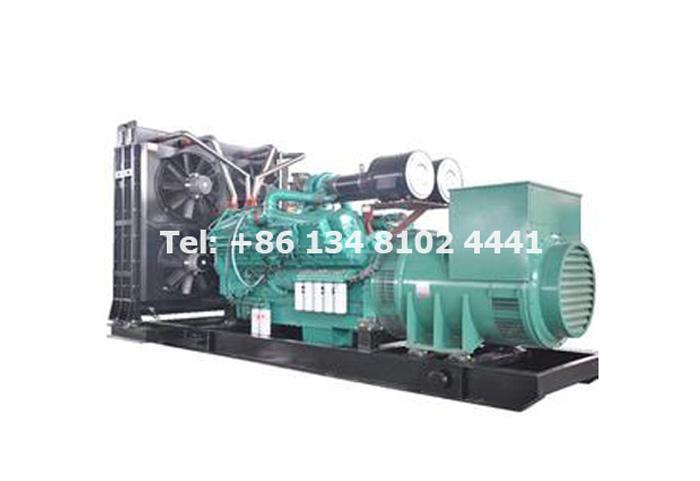
A diesel generator set converts the chemical energy in diesel fuel into mechanical energy and then into electrical energy. The engine burns fuel to rotate a crankshaft, which turns the alternator rotor. The alternator produces alternating current, while the control panel regulates voltage, frequency, protection functions, and starting or shutdown sequences.
The main components include the diesel engine, alternator, radiator, battery and charger, fuel tank, exhaust system, base frame, circuit breaker, controller, and optional automatic transfer switch. When the utility supply fails, the transfer switch can signal the controller to start the engine, allow the alternator to reach stable voltage and frequency, and transfer the load to the generator. When utility power returns, the system can transfer the load back and cool the engine before shutdown.
Generator performance depends on more than engine size. The alternator must support the required voltage, frequency, phase configuration, motor starting current, and transient response. Control systems may also provide remote monitoring, event records, overload protection, low oil pressure shutdown, high coolant temperature shutdown, and synchronization between multiple generator sets.
The difference between standby and prime diesel generator set ratings is based mainly on operating purpose and permitted runtime. A standby generator is designed for emergency use when the normal utility source fails. A prime power generator is designed to supply variable loads for extended periods, especially where grid power is unavailable, unreliable, or too expensive.
| Duty rating | Operating purpose | Typical application | Main selection concern |
|---|---|---|---|
| Standby | Emergency backup during utility failure | Hospitals, offices, data centers, retail buildings | Automatic start, transfer time, short-duration reliability |
| Prime | Regular power with variable load | Construction, mining, agriculture, remote sites | Runtime, fuel logistics, load variation, maintenance access |
| Continuous | Stable load for long-duration operation | Industrial plants, microgrids, base-load systems | Constant loading, cooling capacity, fuel supply, service intervals |
I would not specify a standby-rated unit for a site that expects daily operation. Running a standby model as a prime power source can increase maintenance demand, reduce service life, and create warranty or compliance problems. Conversely, selecting a prime-rated generator for a small building may increase purchase price and installed capacity without producing a practical operating benefit.
Portable diesel generator sets are designed for movement between locations. They are useful for small businesses, agricultural equipment, temporary shelters, emergency response, and maintenance work where the load changes from site to site. Their selection should include lifting points, wheel configuration, fuel tank capacity, cable connections, grounding, and protection against dust or moisture.
Trailer-mounted generator sets provide higher mobility for construction sites, road projects, outdoor events, and emergency utility work. A trailer configuration must match local towing regulations, axle capacity, braking requirements, lighting, and site access. The generator also needs a stable parking surface, secure cable routing, and sufficient clearance for exhaust and cooling air.
Stationary generator sets are installed at a fixed facility and can support larger loads, automatic transfer equipment, fuel storage, remote monitoring, and synchronized operation. Hospitals, data centers, factories, telecom hubs, and municipal facilities generally use stationary configurations because their electrical demand and risk profile justify permanent infrastructure.
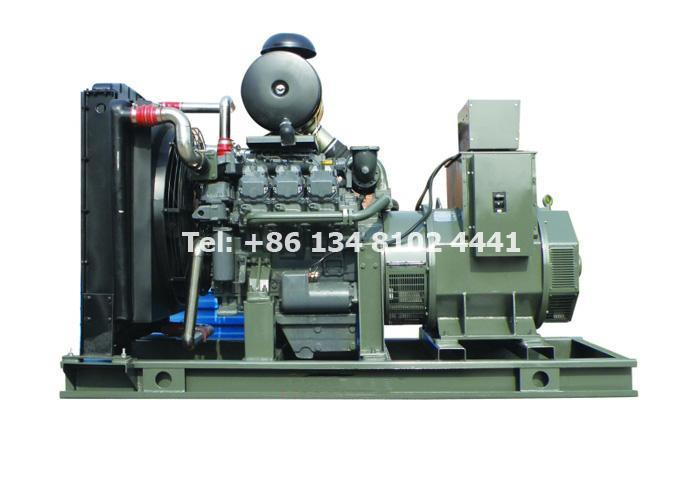
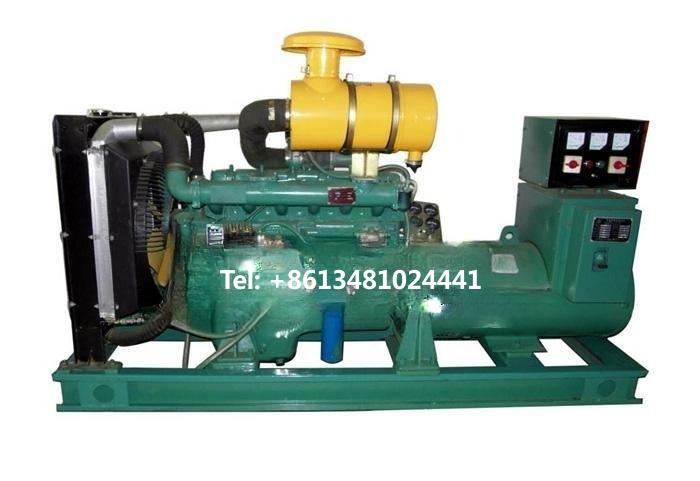
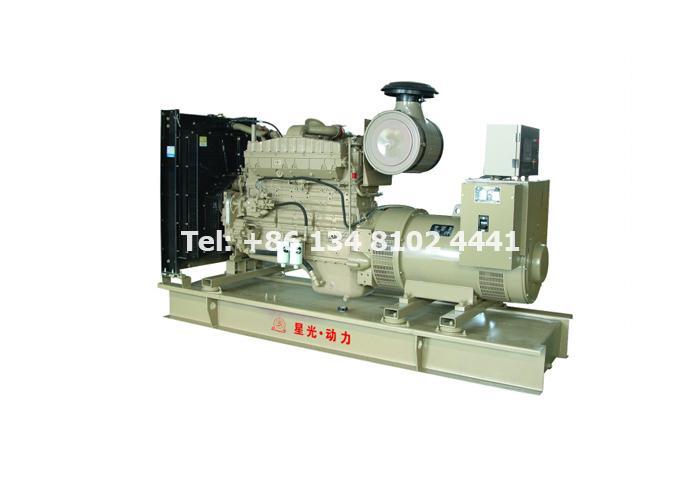
The open vs enclosed diesel generator set decision depends on noise limits, weather exposure, security, ventilation, maintenance access, and available installation space. Open-frame sets expose the engine and alternator for easier inspection and lower initial enclosure cost. They are commonly used inside generator rooms, industrial workshops, warehouses, and construction areas where sound control is limited.
Enclosed sets place the equipment inside a weather-resistant housing. A sound-attenuated enclosure can reduce perceived operating noise when properly designed, although the final result depends on engine size, exhaust silencer design, airflow openings, distance, and surrounding structures. Containerized sets are suited to larger outdoor installations, remote sites, and projects requiring fuel tanks, control rooms, or multiple units in one protected structure.
| Configuration | Best fit | Advantages | Limitations |
|---|---|---|---|
| Open-frame | Generator rooms and construction sites | Access for service and lower enclosure complexity | Requires separate weather and noise protection |
| Weatherproof enclosed | Outdoor commercial and industrial sites | Protection from rain, dust, and unauthorized contact | Requires careful ventilation design |
| Silent enclosed | Offices, hospitals, residential areas, and commercial buildings | Lower sound exposure near occupied areas | Higher cost and more restrictive maintenance access |
| Containerized | Mining, marine, remote power, and large industrial projects | Space for protection, controls, and fuel systems | Larger footprint and transport requirements |
Air-cooled diesel generator sets use airflow over engine components to remove heat. They are generally suited to smaller power ratings, intermittent operation, and locations where compact size and simple maintenance are more important than long-duration capacity. Their installation still requires adequate ventilation because the surrounding room must remove engine heat and exhaust heat.
Liquid-cooled generator sets circulate coolant through the engine and radiator. This arrangement supports larger engines, longer operating periods, improved temperature control, and more stable performance under sustained loading. Liquid-cooled units are commonly selected for hospitals, data centers, factories, mines, marine systems, and remote power stations.
The cooling method affects installation cost and maintenance requirements. Air-cooled systems may reduce component count, but excessive ambient temperature or restricted airflow can limit output. Liquid-cooled systems require coolant inspection, radiator maintenance, hose checks, antifreeze management, and protection against freezing or contamination.
Healthcare facilities usually require standby generator sets with automatic transfer, three-phase output, emergency distribution panels, and tested fuel autonomy. Critical loads may include operating rooms, intensive care equipment, medical gases, elevators, fire systems, refrigeration, and communications. The design should separate life-safety loads from noncritical building loads and verify generator performance under motor starting conditions.
Data centers typically require standby systems with automatic transfer, remote monitoring, low transient voltage deviation, and parallel operation for capacity and maintenance flexibility. The generator must support cooling equipment, pumps, information technology loads, security systems, and battery or uninterruptible power supply infrastructure. Fuel storage, exhaust routing, redundant controls, and regular load-bank testing are central to lifecycle planning.
Construction sites usually benefit from prime-rated, open-frame or trailer-mounted generator sets. Equipment may include cranes, welders, compressors, pumps, lighting towers, and temporary offices, all of which can create changing loads and high motor starting currents. I would select a unit with protective enclosure options, durable cable connections, lifting provisions, and enough capacity to prevent repeated overload during simultaneous equipment starts.
Mining operations and remote industrial sites often need prime or continuous power rather than standby capacity. These locations may require multiple synchronized generator sets, fuel filtration, large storage tanks, dust protection, remote monitoring, and service access planning. A modular generator plant can allow one unit to be serviced while the remaining units continue supplying essential loads.
Agricultural applications include irrigation pumps, grain handling, refrigeration, ventilation, milking systems, and processing equipment. Pump motors can demand several times their running current during startup, so generator kVA sizing must include starting performance rather than only the connected running load. Trailer-mounted or stationary sets may be suitable depending on whether the generator serves one fixed facility or several fields and buildings.
Marine generator sets must account for vibration, saltwater exposure, limited ventilation, restricted space, and unusual electrical distribution systems. Liquid cooling, corrosion-resistant materials, marine-grade exhaust arrangements, and reliable shutdown protection are important. The selected set must also match vessel classification requirements, fuel conditions, synchronization needs, and available maintenance access.
Telecom towers often use compact standby or prime generator sets with automatic start, remote alarms, secure fuel storage, and long unattended runtime. Off-grid microgrids may combine diesel generation with solar panels, batteries, and load-management controls. In that arrangement, the generator should operate within an acceptable loading range to avoid excessive wet stacking and inefficient low-load operation.
Correct diesel generator kVA sizing begins with a complete load schedule. I calculate the running kW of lighting, heating, cooling, pumps, compressors, motors, servers, and other equipment, then convert the result to kVA using the expected power factor. The calculation must also include motor starting current, nonlinear loads, harmonic effects, voltage requirements, and planned future expansion.
A practical selection process includes these checks:
Undersizing is one of the most common selection errors. It can cause voltage dips, frequency instability, nuisance trips, overheating, and poor motor starting. Oversizing also creates problems because a lightly loaded diesel engine may operate inefficiently, accumulate deposits, and require additional maintenance or periodic load-bank testing.
The purchase price is only one part of diesel generator set cost. Total installed cost can include the transfer switch, foundation, exhaust system, ventilation, fuel tank, cabling, switchgear, acoustic treatment, commissioning, permits, and monitoring equipment. Prime and continuous installations may also require fuel delivery contracts, spare parts, technician access, and planned service shutdowns.
Fuel consumption depends on engine size, electrical load, power factor, ambient conditions, and maintenance condition. Running a generator at a moderate, stable load is generally more practical than operating a much larger unit at very low load. For sites with highly variable demand, multiple smaller synchronized sets may reduce fuel waste and allow capacity to match the active load.
Maintenance requirements commonly include engine oil and filter replacement, fuel filter service, coolant checks, battery inspection, radiator cleaning, exhaust inspection, belt and hose checks, controller testing, and periodic load testing. Emergency generators should also be started and inspected according to the facility’s maintenance schedule rather than left unused until an outage occurs.
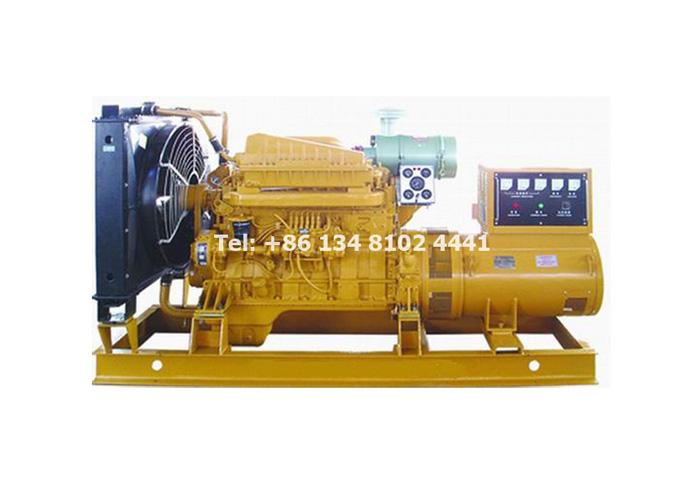
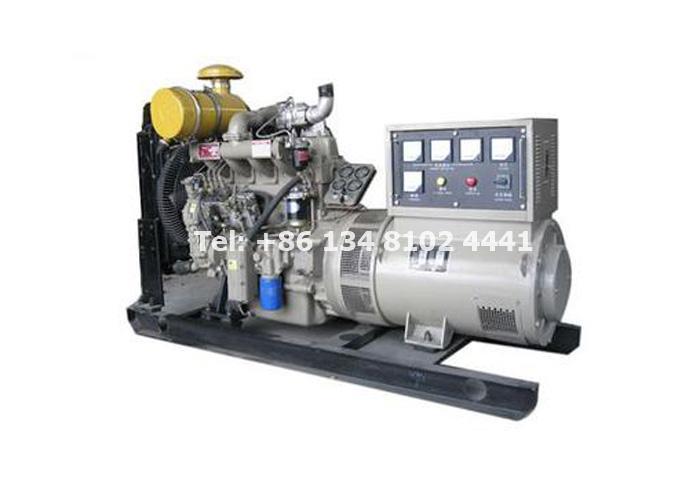
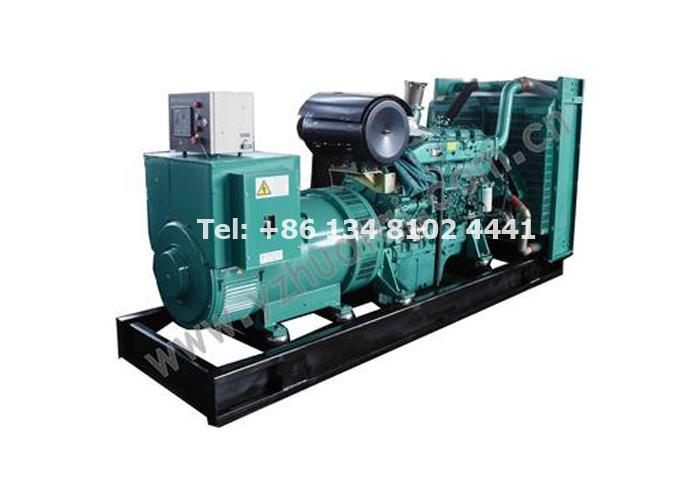
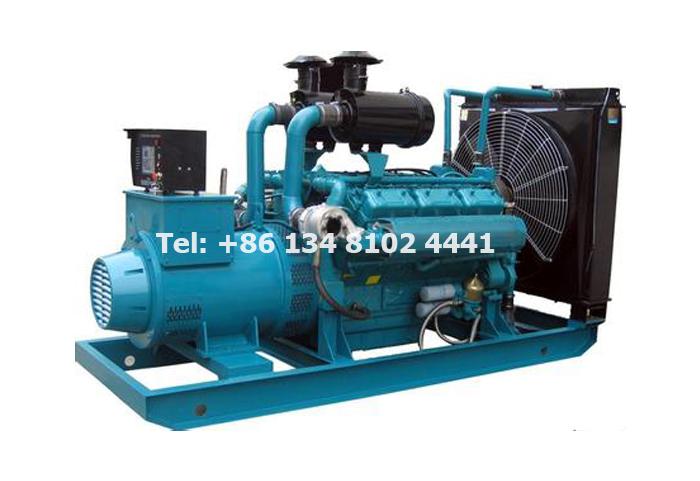
dingbo supplies diesel generator sets in configurations that include open type, silent, containerized, trailer-mounted, portable, and commercial models. Its product information describes power options extending from smaller commercial units to large industrial sets, with engine and alternator combinations selected for different voltage, frequency, application, and environmental requirements. The company also presents generator assembly, testing, installation, commissioning, sales, and maintenance as part of its service scope.
When evaluating a Dingbo diesel generator set or another supplier’s model, I would request a complete technical schedule rather than relying on a model name alone. The schedule should state standby and prime ratings, fuel consumption at defined load points, dimensions, sound pressure level, alternator data, voltage regulation, starting battery capacity, control functions, enclosure design, and applicable test standards. This information makes supplier comparisons more precise and helps prevent an unsuitable configuration from being installed.
Diesel Generator Set Types and Their Applications Explained should be used as a selection framework, not only as a list of product categories. I would first define the load profile and required runtime, then determine whether the site needs standby, prime, or continuous operation. After that, I would select the appropriate kVA capacity, phase, cooling method, enclosure, mobility, transfer equipment, and control system.
For hospitals and data centers, automatic standby systems with monitoring and redundancy are usually the priority. Construction, mining, agriculture, and remote sites generally require prime-rated mobile or stationary equipment with fuel and service planning. Open-frame units fit controlled locations, while enclosed or containerized sets are more suitable where weather, noise, security, or environmental protection matters.
The final specification should include load calculations, motor starting requirements, ambient conditions, emissions rules, fuel storage, installation drawings, maintenance intervals, and commissioning tests. By matching the diesel generator set to actual operating conditions rather than selecting by kW alone, buyers can reduce installation risks, control lifecycle costs, and obtain a power system suited to its intended application.


Copyright © Guangxi Dingbo Generator Set Manufacturing Co., Ltd. All Rights Reserved | Sitemap
Update cookies preferences





 WeChat